IP Ratings for Outdoor Fixtures in the Gulf: What IP and IK Really Mean
Key takeaways
- The first IP digit is solids, the second is liquids. IP6X means dust-tight; the water digit is where projects get mis-specified.
- For most Gulf outdoor installations, IP65 or IP66 with a functioning breather valve outperforms a sealed IP67 fitting.
- IK is a separate code for mechanical impact. It is not included in IP and is frequently omitted from enquiries.
- Heat, UV and salt are not covered by any IP rating — they are material and coating questions.
What the two digits actually mean
IP stands for Ingress Protection, defined in IEC 60529. The first digit covers solid objects from 0 to 6; the second covers water from 0 to 9. A fitting marked IP66 is dust-tight and protected against powerful water jets. One marked IP67 is dust-tight and protected against temporary immersion.
The important point is that the codes are independent tests, not a ranking. IP67 does not include the jet test that IP66 passes.
Why a fully sealed fitting can fail faster here
A luminaire heats up during operation and cools after switch-off. Every thermal cycle changes the pressure inside the housing. If the enclosure is completely sealed, that pressure differential pulls moist air past the gasket over time — and in a humid coastal climate, that means condensation on the optics and corrosion on the driver.
The remedy is not more sealing. It is a controlled breath: an IP-rated breather or drain valve that equalises pressure while blocking liquid water and dust. Specify it explicitly, because it is not implied by any IP code.
The specification line most enquiries miss
Write IP66 with breather valve rather than IP66 alone. It costs very little and is the difference between a fitting that fogs in its second summer and one that does not.
IK: the code that is not in IP
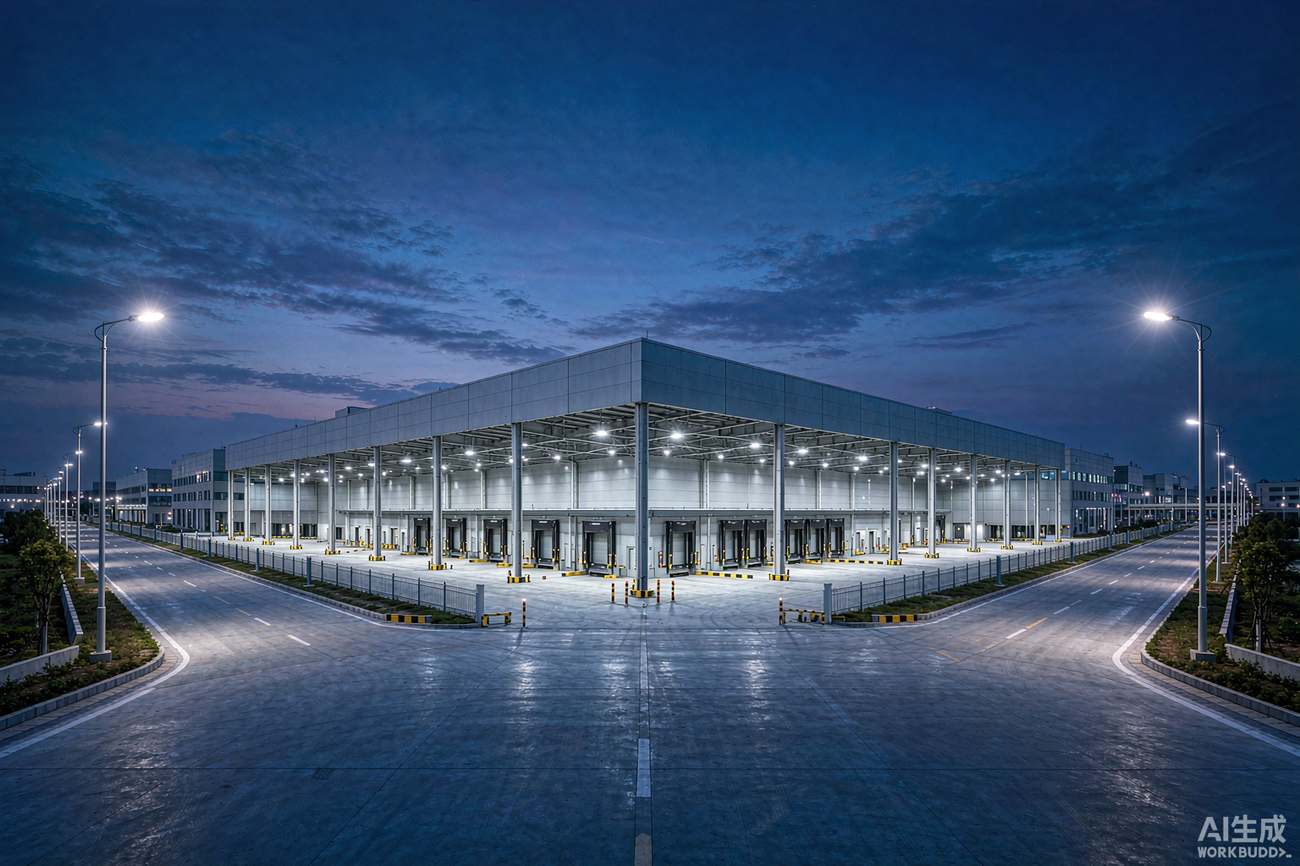
IK is defined in IEC 62262 and measures resistance to mechanical impact, from IK00 to IK10. It is entirely separate from IP and is often omitted from enquiries — which is how vandal-prone and vehicle-exposed sites end up with fittings that pass every water test and still fail in service.
What no IP code covers in the Gulf
Three regional stresses sit outside the ingress rating entirely. Ask about them separately.
- Sustained heat. Driver and LED junction temperatures drive lumen maintenance and lifetime. Request the rated ambient range — L90 at 50°C ambient is a different product from L90 at 25°C, and the difference shows up in year three.
- UV and abrasives. Polycarbonate optics yellow and haze under intense UV; sand-laden wind abrades surfaces. Ask for UV-stabilised materials and, for exposed coastal sites, a marine-grade coating.
- Salt and humidity. Specify salt-mist tested hardware and stainless fasteners. Aluminium housings need a qualified coating system, not a generic powder coat.
A specification checklist you can copy
Short answers
No. IP67 certifies immersion, not jet resistance. For a pole-mounted luminaire exposed to driving rain and wash-down, IP66 is the more relevant test.
Usually IK08 is sufficient at height. IK09 or IK10 matters once the fitting is within reach or in a debris-exposed zone.
Pressure cycling pulls moist air past seals. A breather valve equalises the pressure and stops it. It is a specification item, not a warranty claim.