Do Solar Panels Still Perform at 50°C? What Gulf Buyers Should Check
Key takeaways
- A module rated at 550 W does not deliver 550 W in a Gulf summer. Expect roughly 12–18% less at peak sun.
- The number that matters is the temperature coefficient of Pmax, not the headline wattage.
- Cell temperature runs 25–30°C above ambient on a still, hot day — not 5°C above.
- Dust costs more annual energy than heat does on most Gulf sites. Plan the cleaning regime before you buy the module.
Rated power is measured at 25°C. Your roof is not.
Standard Test Conditions are 1000 W/m² irradiance, AM 1.5 spectrum and a cell temperature of 25°C. That last figure is a laboratory convenience, not a field condition. On a July afternoon in the Gulf, ambient air is 45–48°C, irradiance is near 1000 W/m² and there is often no wind. Under those conditions the cell itself sits far hotter than the air around it.
This is not a defect. All crystalline silicon loses voltage as it heats. The question for a buyer is only how much, and whether the module you are comparing is honest about it.
How hot does the cell actually get?
A useful working estimate: cell temperature rises about 25–30°C above ambient at full sun with low wind. The formal version uses NOCT (Nominal Operating Cell Temperature), measured at 800 W/m² and 20°C ambient.
The three numbers that decide your real output
Open any module datasheet and find these three lines. They tell you more about Gulf performance than the wattage on the front page.
The string-sizing trap
Designers who size strings on STC Voc alone run into two problems in the Gulf. On a hot afternoon, string voltage can fall below the inverter's MPPT start voltage and the system loses the early and late hours. On a cool January morning, Voc rises and can exceed the inverter's 1000 V or 1500 V limit. Use the Voc temperature coefficient in both directions — this is the single most common specification error we see on regional projects. See the inverter range for MPPT window specifications.
Dust: the larger penalty
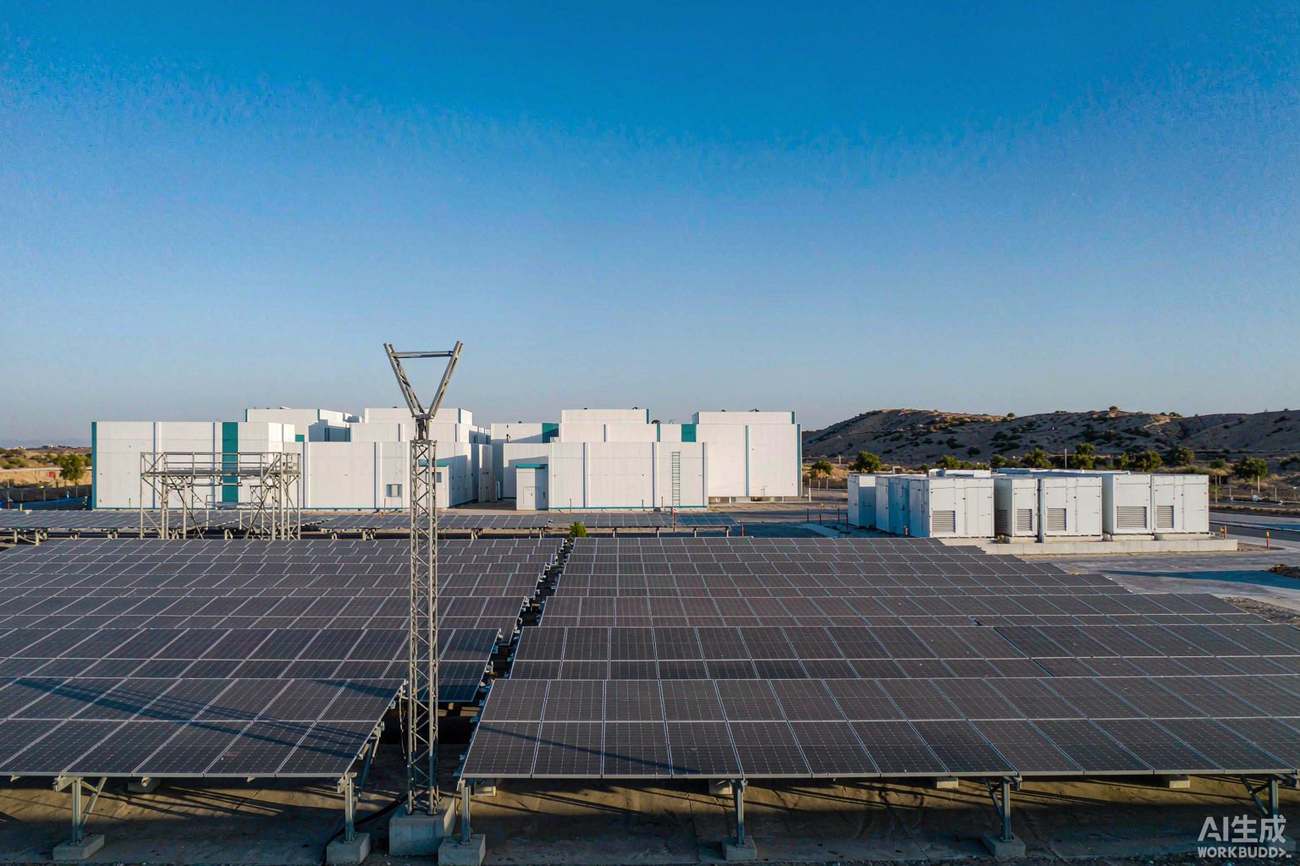
Heat reduces output predictably and is priced into any serious yield model. Dust is worse, because it is variable and often unmanaged. In dusty periods and near construction or unpaved roads, accumulation of 1–2% per day is common, and a month without cleaning can remove 20–30% of output. Unlike heat, this loss is almost entirely recoverable.
- Set the cleaning interval from the site, not the calendar. Weekly in dusty or coastal-salt conditions; every two to three weeks elsewhere.
- Clean early morning or evening. Washing a hot module with cool water risks thermal shock and leaves streaks that bake on.
- Budget access into the design. A layout that cannot be cleaned safely will not be cleaned, whatever the O&M manual says.
What to specify for a Gulf project
- Temperature coefficient of Pmax at −0.34%/°C or better.
- NOCT at 45°C or lower.
- First-year degradation of 1% or less, then 0.4–0.55% per year, with a linear performance warranty to year 25 or 30.
- Ammonia and salt-mist corrosion certification for coastal and agricultural sites.
- PID resistance tested at 85°C and 85% relative humidity — Gulf humidity plus high system voltage is exactly the PID trigger condition.
- Mechanical load rating adequate for the cleaning method you intend to use, including any robotic system.
Short answers
Not necessary. Choose a mainstream tier-1 module with a good temperature coefficient and design the mounting and cleaning properly. That combination beats an exotic module installed badly.
Over a white reflective roof or light desert gravel, yes — rear-side gain of 5–15% is realistic. Over dark bitumen or bare soil, the gain is marginal.
Sustained cell heat accelerates encapsulant and backsheet ageing. Ventilation and a light-coloured mounting surface are the cheapest life-extension measures available.